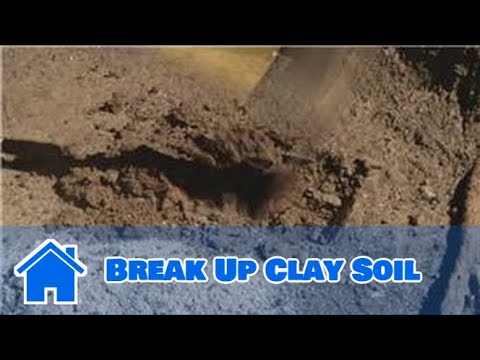
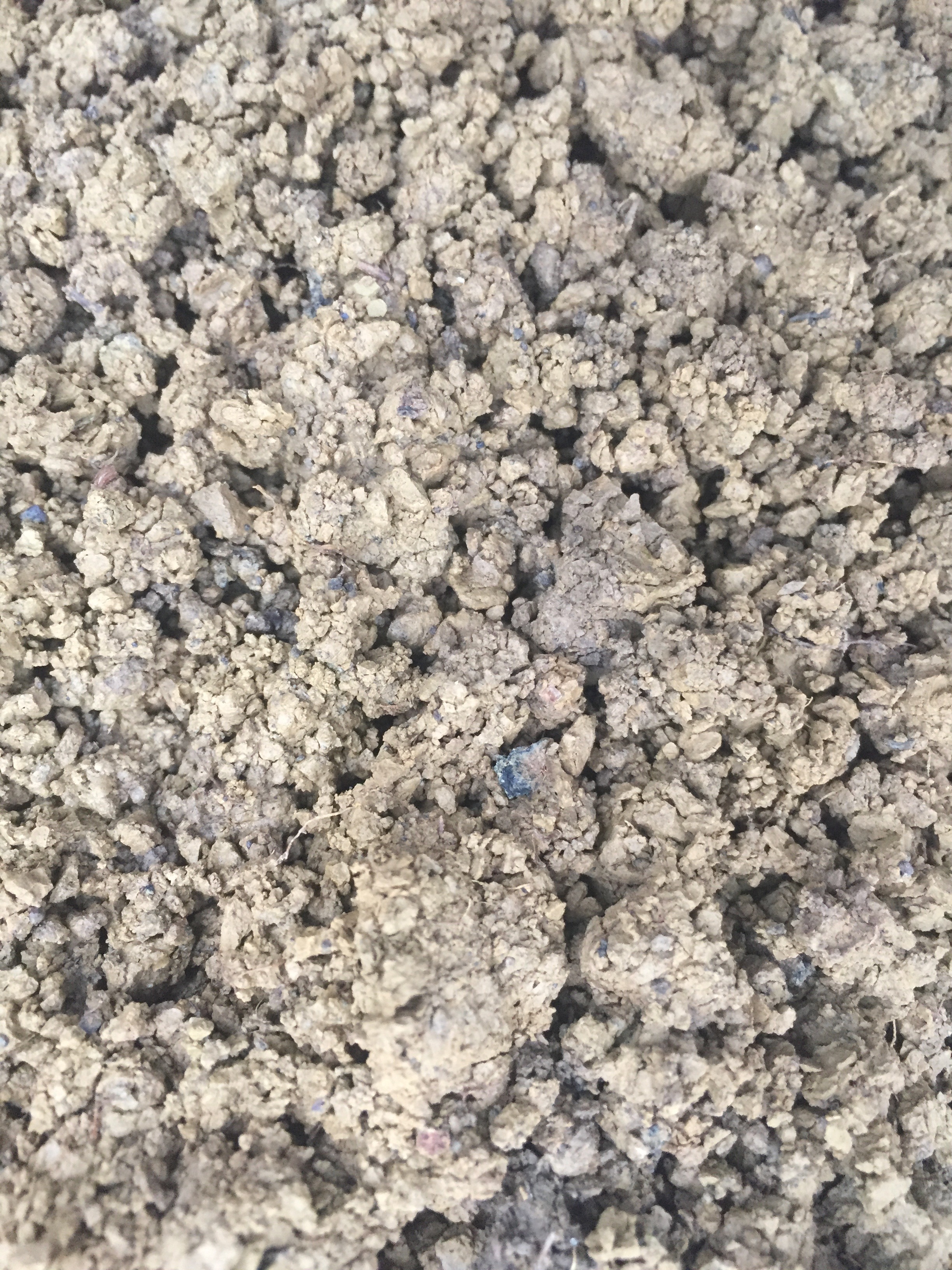
If your topsoil has large clumps, it has a high clay content and was not screened before it was delivered. Breaking up the clumps of clay will be difficult, but eventually you will be able to smooth everything out. Rake the clumps onto a tarp and mash them with your rake. Gypsum can help break up the clumps but the best way to improve the soil over the long term is to add lots of organic matter. Tight, clay soils are loosened by mixing in organic amendments, or organic materials.
The amendments hold the clay particles apart, creating more space for air, which is critical to root growth. Add gypsum and then some compost or aged manure and rototil or dig it in. Plant your perennials and add another 2-3 inches of compost over the bare soil, digging it in at the end of the gardening season.

Add fresh mulch each year and dig it into the soil. Eventually you will have garden loam instead of clumps of clay. When I first got the garden 10 years ago, I dug around to get weeds out. Since then, I've added compost and other organics to the surface, as well as mulch. As far as I'm concerned, clay soil is great soil and is easiest to work with if you mostly leave it alone.

I've established permanent garden beds and I never walk on the soil in my garden beds. I create an environment where worms can thrive, and I let them do the work of creating good soil structure. I never ruin the soil structure by tilling or needless digging. I also let the plant roots do the work of breaking up the soil. I help it hold moisture in the dry season by covering it with mulch at all times. I've recently moved into a house on heavy clay and have been working the soil for just over a year now.
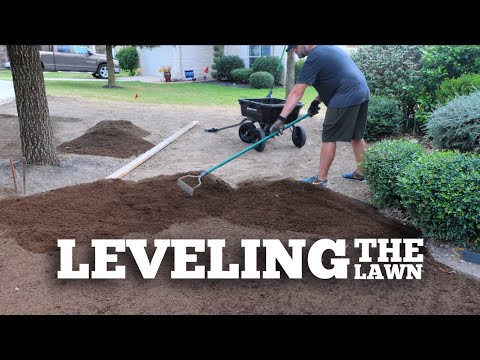
We decided to turn the central lawn area into several raised beds (ideal for clay-y soils with poor drainage) for a kitchen garden and leave the established shrubby borders. I did this in the fall and left large clods of clay to be broken down by the winter weather and frosts. By the next spring, I found that the clods were breaking down nicely and the worms had been at work eating the grassy material that had been incorporated. I added some bought top soil and compost or manure to the raised beds which is slowly starting to help as it breaks down. The biggest challenges for these soils are mud and dried areas resembling concrete.

They tend to shrink and swell when exposed to moisture, forming wide cracks and heaving objects like fence posts and patios. You can improve the soil over the long term, but if in a hurry, you can garden on top of the clay utilizing raised beds or berms. A common mistake made with clay soils is creating impervious planting holes. This is caused from digging out the hole and filling it with compost or peat moss instead of the soil that came out of it. Amending soil in this way while installing plants will create mini swimming pool holes that retain excess water and girdle roots. Clay's really good but the answer is money and loads of hard work.

Use a fork to dig up big clumps and leave in the sun to dry up. Add horticulture sand - you don't need loads it's just to change its structure. Another way would be to build raised beds and top up with compost. I am looking at 2 very different tools to help me in the garden. I have partitioned the garden to give me some space for a veg patch in addition to the lawn. Currently the area is lawn, I plan to either lift or glyphosate the area to get rid of the lawn .
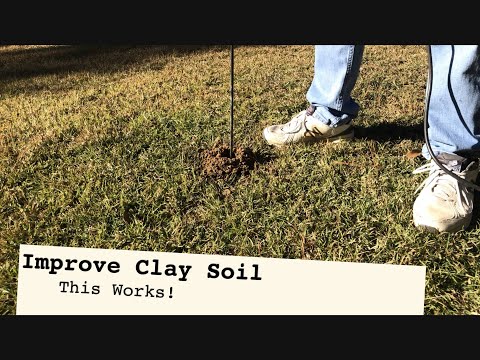
I then plan on adding a lot of organic multi purpose, top-soil and farmyward manure to the area. Clay soil is hard and unyielding when dry and turns into sticky clumps of dirt when wet. There's little space between particles in clay soil, and this results in poor drainage.
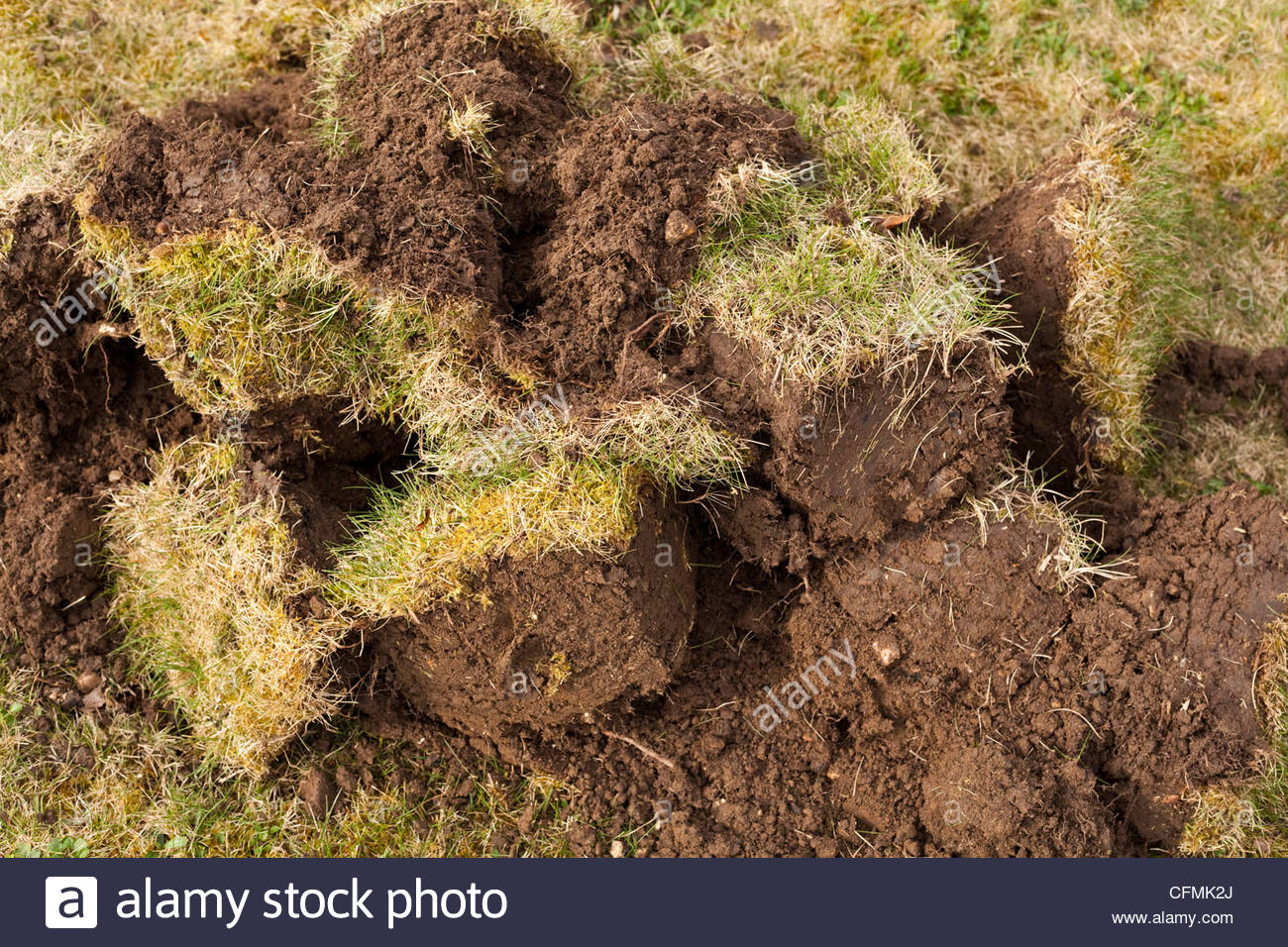
It also means plant roots have a difficult time penetrating the soil, and so the plants may fail to thrive. If you want to loosen the clay soil before planting your garden, you can turn the soil, add amendments and treat the soil for long-term health. But clay has great properties; holds moisture, nutrients don't wash away each time you water and a little goes a long way. I manually mixed compost as I double dug my beds...half-heartedly...remember the less you manipulate clay, the better. And I never add gravel or sand or any other mineral .

Double digging is the most work I do in my garden, I do it ONE TIME the first year. Once you have realized your soil is compacted, there are several things to be done. Resist the urge to routinely roto-till or cultivate the garden. Instead, consider adding organic matter by using mulch or compost over the top of a flower bed or simply hand-spade it into the top 3 to 6 inches of soil.

For a vegetable garden, put 2 inches of compost on the soil surface and till in and repeat for a total of 4 inches in a season. A goal of 5 to 15 percent of organic matter would be advantageous. By aerating your clay soil and adding an amendment, you can break it down fast and encourage new growth.

Wait until the ground's completely wet or dry, since it'll be harder to work with soil that's partially damp. Then, turn your soil by digging up small amounts where you want to put plants to aerate it. Once you've turned the soil, mix in an amendment, like compost, biochar, manure, or a commercial soil conditioner, to add some extra nutrients. If your plants still struggle to grow, lay an extra layer of topsoil over the clay. It is made with gypsum, lime, gravels, clay , water and mixing.

Clay is a bit different than sand and silt particles. These rock faces have charges that attract other clay particles and the flat sides get together and stay together. These charges are amplified by movement; tilling moist clay increases these charges. This would be a bummer for someone new to gardening.

If you want to be successful at growing things in Austin area soils, some soil improvement is needed. The two key things most often needed are compost to improve the quality of soil and more usable soil depth to support a strong, extensive and resilient root system. A soil depth of 6" is minimal for lawn grasses but more is better. Turf on shallower soils will be weak and require constant watering just to keep it alive.
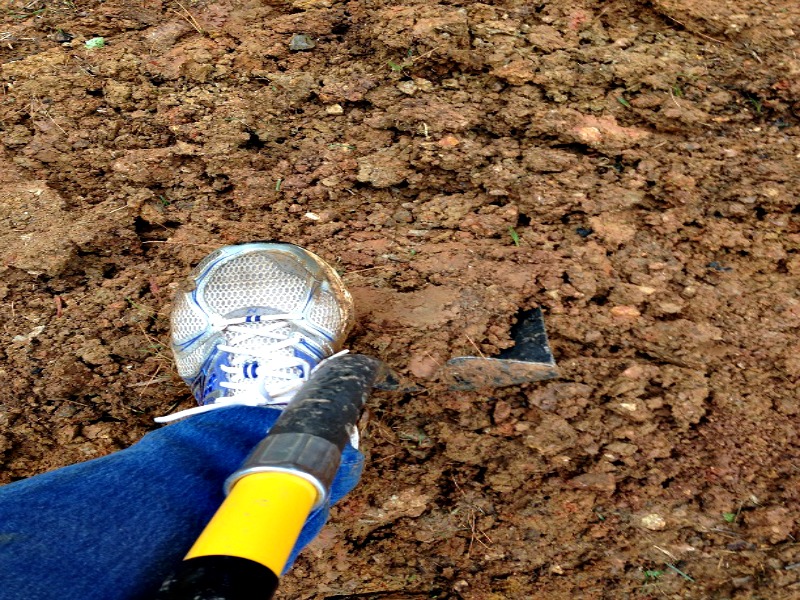
Flowers and vegetables also need 6-12" inches of soil to do well. Building up raised planting beds can turn a shallow rocky soil or one with an impervious clay layer into a beautiful garden spot. The flat blade of the D-handle garden spade is ideal for edging beds.When I began to garden seriously, I felt the need to double dig. That's the technique in which you remove the top 12 inches of soil with a spade and loosen the subsoil with a fork. I went out and bought an English gardening spade with an ash handle and a forged-steel blade.

The short shaft allows you to put your weight on top of the tool for leverage. And the 11-inch hardened steel blade cuts through the soil easily and holds up to any amount of leveraging. In double digging, you use the spade to cut a chunk of soil and lift it carefully onto your loosened subsoil, setting it down like a piece of cake. The flat blade allows you to dig to a uniform depth. After selecting and purchasing the seed, it's time to prepare the soil for the planting process.
This is a very important step in knowing how to plant grass seed successfully. The tender roots of young grass plants will not grow well in compacted soils so it's essential that this step be done properly. Here are instructions for prepping the ground to overseed bare spots in an established lawn and instructions on how to prepare for planting grass seed in a large bare area. Mulching – Clay soils can tend to speed water runoff because water isn't absorbed as quickly into clay soils as it is other soils. Clay soils also tends to stick to the bottoms of your shoes, which can make a mess when you go indoors. By adding a layer of mulch to clay soil, you not only help keep the house clean, but can reduce the number of weeds that sprout.

As mulch decomposes,it will enhance nutrition and water retention, which ultimately allows for better plant growth. Mulch will slow down water run-off allowing clay soil more time to absorb, and store, water. A layer of mulch is also cooler than exposed soil which helps to reduce temperatures overall in the garden.

Still, the soil in these garden beds has to be worked each time before planting. In these beds I don't need to use the energy-consuming screens. I use a trowel or little shovel the break up the soil, then I take the clumps of dirt and smash them on the firewood log I've put in the bed. The solid surface of the log makes it really easy to break up the clods, and the bigger pieces fall away together where they can be picked up and smashed again.

The log is a humble tool, but it lets me prepare the lettuce bed in much less time than any other method I've tried. It's early spring, and that means that I'm spending a lot of time preparing the soil in the garden beds prior to planting. I like working with the dirt, breaking up the clods and getting rid of all the weeds. The sight of a freshly prepared bed is almost as exciting to me as the later view, when the plants are bearing fruit. Things don't always grow perfectly, but there's something perfect about a newly prepared bed that triggers the imagination to envision rows of lush and perfectly growing plants. Clay is held together by water - turning the soil and leaving it open to the frost freezes the water and breaks the clay apart.

I wouldn't glysophate the lawn, lift the turf and bury it a spade depth down. The addition of grit and plenty of organic matter will improve drainage and the structure of the soil. It will be hard work, but there are no quick solutions to heavy clay soils. To improve clay soil—or any soil, add organic matter. Compost, peat moss, or aged manure will improve the texture of clay soil aiding drainage and aeration.

You can use aged compost from your compost pile or bagged compost or planting mix available at garden centers. Grit sand for breaking up and improving heavy clay soil. It's extra work but worth spreading a one or two inch layer of grit sand across the clay soil before spreading the organic matter and digging the whole lot in at the same time. You will need to work at it over the years by repeating the process though. Baked clay is almost impossible to break up, rotivate or dig, it's easier to spread the organic matter and grit and wait until the worms have done some of the work for you.

Improve the soil that you have with one to two inches of compost added to the topsoil each spring and fall. You'll also want to retain soil moisture by using three inches of mulch. These thin soil layers leave plants susceptible to summer drought when the root zone can quickly deplete the soils limited moisture reserves. The mulch will eventually break down and become compost, so you may need to add more each planting season.
How To Break Up Hard Dirt Clumps When applying mulch, be sure to give your plants some space by allowing a gap between the mulch and the main stems of the plant. Compaction is most likely to occur with heavier soils like clay and loam, but when heavy equipment is used, sandy soils can become compacted. These are soil particles that are packed closely together. The problem may be compounded by events that have happened to the soil over the course of years. The pore spaces are reduced to the point that air and water cannot move freely and plant roots cannot grow easily into the surrounding soil. The soil could remain overly wet longer than is healthy for the plants growing there.
My husband has pulled up part of the back lawn at our new house to make way for a vegetable garden. Unfortunately we have a heavy clay soil and water just pools on it when it rains making big sticky puddles. With the strange weather this year this seems to happening a lot and the soil is getting very compacted. Is there any hope for a fall vegetable garden or should I wait until next year at this stage? How can I begin amending the clay to make it more habitable for plants? Unfortunately we haven't gotten around to a compost pile yet as I know that would be good.

The rate at which gypsum breaks down hard clay soil depends greatly on factors such as the size and shape of the particles, the moisture content, the pH level of soil, etc. In my 'sandy' soil I am going to need to be vigilant with nutrients as they are leached out with every watering. In clay soils you will need to be more careful about how much and what kind of nutrients to add. Clay holds onto nutrients, some more than others.

Too much of one nutrient can cause deficiencies in others. Too much fertilizer can kill plants, especially if the fertilizer is inorganic. Once as a new nursery employee I was asked to fertilize.

Unfortunately some of the plants had already been fertilized the month before and someone had forgotten. I tried removing the soil, washing of plant roots and replanting but still casualties occurred. But even worse than that was when I led crews for landscape maintenance. A dahlia tuber's neck is fragile, especially right after digging. To remove the clumps, dig on all four sides of the plant, about a foot away from the main stalk. When all four sides are loose from longer feeder roots, push the shovel or tined fork under the clump and lift carefully.
Carefully remove any large clumps of dirt and turn the clump upside down to drain out any water in the stem. If one digs in the morning and leaves the clumps out for a couple of hours, the tubers will be much less fragile. After a couple of hours, one can remove the dirt with less opportunity of breaking fragile tubers. Because of Covid 19 I want to plant right away but I don't have access to garden stores. If I had the resources, I'd do sheet mulching over this, but cardboard and newspaper are out and getting more soil or compost to put on top is also out.
I have some leaves that were covering ground from winter that I can collect and put over. I'm guessing I need to cover them so that they will die and decompose, right? Or do you think those heavily rooted clovers should be pulled all the way out because it will be very hard to cut through to plant starts into? I don't have a lot of space in my garden as is, and food scarcity is a real issue right now so I can't afford to let it sit and work magic on its own for the year. For a large vegetable garden, another solution is to grow a cover crop at the end of the season, then mow and turn in the following spring before planting.


